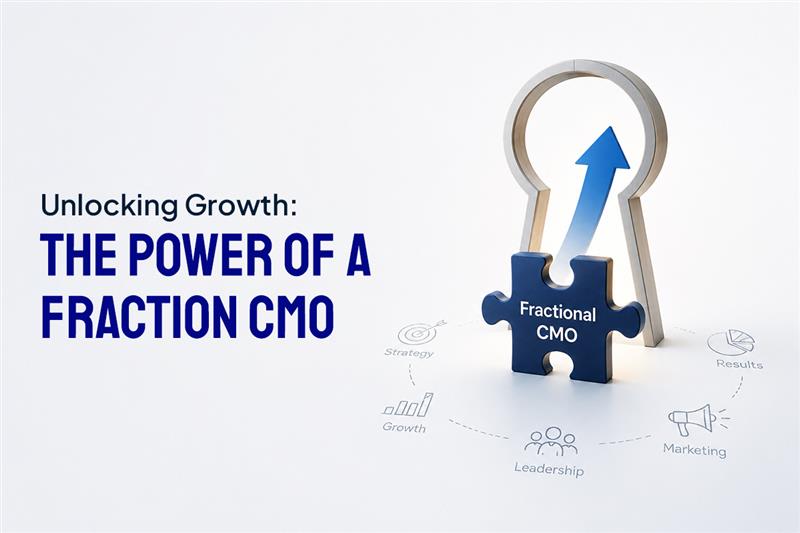
For a long time, the chief marketing officer role was seen through a narrow lens. Build campaigns, launch products, generate awareness and report on marketing performance. While those responsibilities still matter, they no longer define the role on their own.
Today, the fractional CMO role is much broader. The best CMOs don’t just think about marketing. They think about people. They spend time understanding how customers make decisions, what they value and what prevents them from trusting a brand. Growth isn’t created by louder campaigns. It comes from solving real customer problems in ways that build lasting relationships.
That’s why marketing has become a business function rather than just a promotional one.
Today’s CMOs are expected to contribute to the company’s business growth strategy, ensuring that marketing decisions support revenue, customer retention and long-term competitiveness. Whether working as an in-house executive or providing Fractional CMO services, their focus extends far beyond campaigns.
Marketing Is No Longer About Speaking the Loudest
Customers have more choices than ever before. They can compare products within minutes, read reviews, ask for recommendations and leave if an experience doesn’t meet their expectations.
This has changed what businesses expect from marketing leaders. This shift has redefined marketing leadership. Modern CMOs are expected to guide business decisions, shape customer experience, and align marketing with commercial objectives.
Instead of asking, “How many people saw our campaign?” companies now ask, “Did we create value? Did we earn trust? Did we help customers make a better decision?”
Those are very different questions and they require a different kind of leadership.
The most effective marketing leaders spend less time chasing attention and more time understanding customer behaviour, improving experiences and connecting business goals with customer needs.
Growth Happens When Every Team Understands the Customer
Marketing doesn’t operate in isolation anymore.
A pricing decision affects marketing. Product improvements influence customer perception. Customer support shapes brand reputation. Sales conversations reveal objections that marketing should address.
When these teams share what they learn, businesses make better decisions.
This is one reason why leading organizations encourage closer collaboration between business leaders instead of treating marketing as a separate department. McKinsey has explored this idea extensively, showing how stronger alignment between leadership teams can lead to better customer outcomes and sustainable growth.
Learn more from McKinsey’s insights on marketing leadership:
Data Matters, But Context Matters More
Numbers tell you what happened.
People tell you why it happened.
A dashboard might show declining website traffic, but it won’t explain whether visitors found the content confusing, whether expectations were unclear, or whether competitors offered a better experience.
Great marketers combine both perspectives. They use data to identify patterns and conversations to understand the reasons behind those patterns.
This balance helps businesses make decisions that are informed without losing sight of the people they serve.
Marketing Should Help Customers, Not Interrupt Them
The brands people remember are rarely the ones that advertise the most.
They’re the ones that answer questions clearly, simplify difficult decisions and consistently deliver on their promises.
Helpful articles, honest comparisons, useful resources and educational content often create far more trust than promotional messages alone.
Google has consistently emphasized understanding consumer behaviour and creating experiences that genuinely help people rather than simply competing for attention.
For more research and practical insights, explore Think with Google:
What This Means for Business Leaders
Whether you’re leading a startup or managing an established company, the question isn’t simply, “How do we market better?”
A more valuable question is:
“How can we understand our customers better?”
When businesses listen more carefully, communicate more honestly and build around customer needs, marketing becomes a natural outcome rather than a constant struggle.
That shift changes how products are developed, how teams collaborate and ultimately how businesses grow.
A Human-First Approach to Growth
At Paaras Panndya, we believe meaningful growth begins with understanding people before platforms, relationships before reach and trust before transactions.
Marketing tools, channels and technologies will continue to evolve. Customer expectations will change. New trends will emerge.
But one principle remains constant: businesses that genuinely help people earn something far more valuable than attention, they earn trust.
And trust has always been the strongest foundation for sustainable growth.